,fit=pad/https://images.clintlosee.com/images/clint-losee-photography-logo-b0be73a8.webp)
How Fine Art Nature Photography Transforms Your Home
Nature photography isn't just decoration. it's an investment in how you experience your home every day, bringing light, calm, and visual depth to the spaces that matter most.
How Fine Art Nature Photography Transforms Your Home
You walk into your living room, bedroom, dining room etc. and something feels incomplete. The walls are blank, waiting. Then you hang a photograph that stops you cold. A sweeping mountain vista unfolds before you, a moment of golden light passing through trees of your favorite hike, water that seems to move. Suddenly your space feels alive.
This isn't about filling wall space. Fine art nature photography does something deeper. It anchors a room emotionally, creates a focal point that draws people in, and brings the calming influence of the natural world into the places where you spend your time. Whether you're designing a home office, redesigning a bedroom, or creating a gallery wall that tells a story, the right nature photograph can completely shift how a space feels.
Why Nature Photography Works in Home Spaces
There's psychological science behind why nature imagery resonates so strongly indoors. Humans have a documented preference for natural scenes, especially landscapes with water, vegetation, or open horizons. When you display fine art nature photography in your home, you're not just hanging a picture. You're creating a visual escape route that your eye returns to, especially during moments of stress or fatigue. Nature-based therapy is something that many don't think about but its effects are well known and documented.
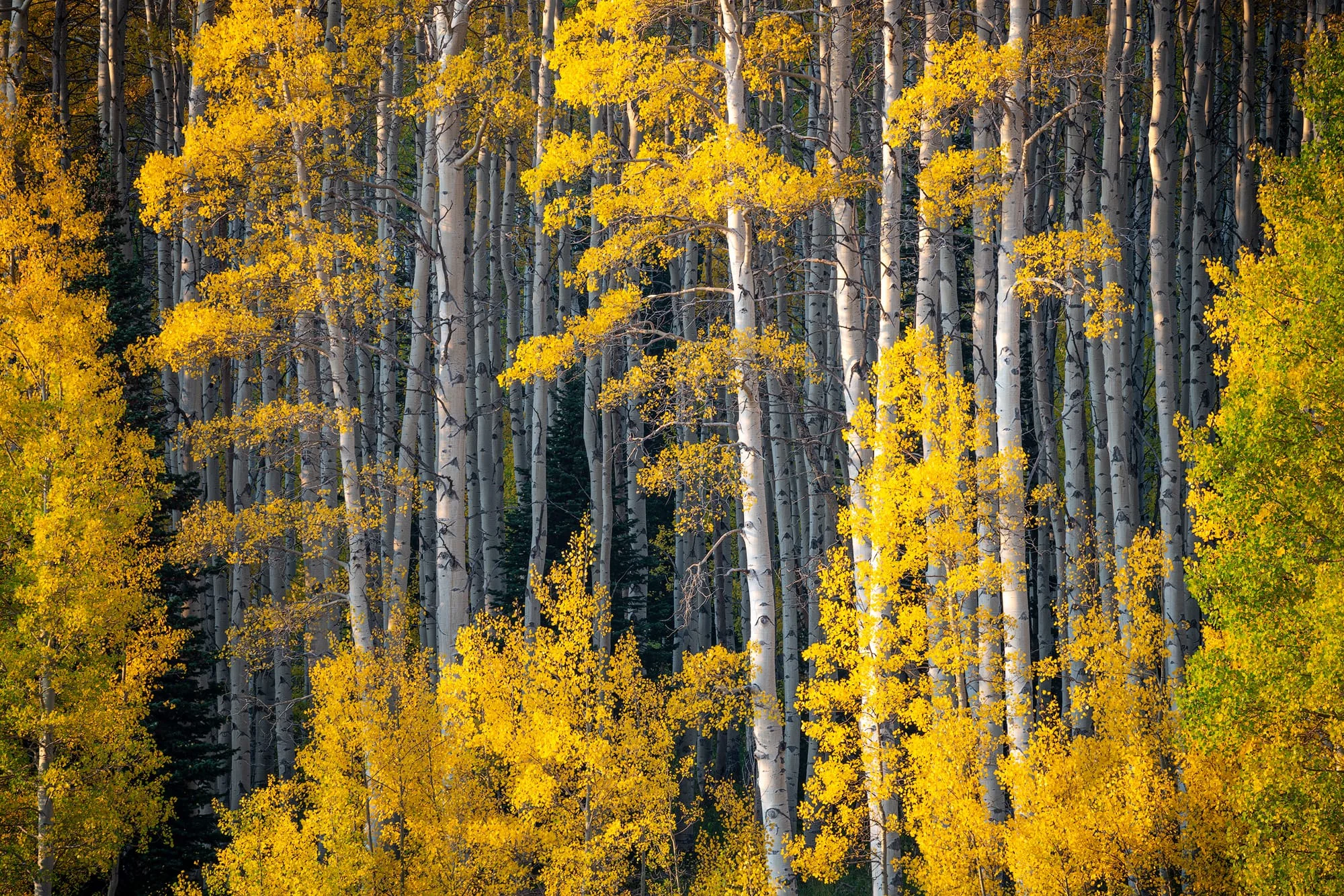
This is why nature photography performs so well in high-traffic areas and in spaces where you want to establish calm: bedrooms, home offices, living rooms with seating areas. The best pieces are ones that show restraint. They use thoughtful composition, intentional framing, and careful color balance. Museum-quality prints elevate this effect because the craftsmanship in the print itself becomes part of the experience.
Choosing the Right Print Material for Your Space
Not all nature photographs look the same on your wall. The material you choose changes how the image breathes, how light interacts with it, and how it ages over time.
Metal Prints
The photograph is infused directly into an aluminum surface, creating a luminous, three-dimensional effect. This process is called dye-sublimation onto ChromaLuxe metal prints. Colors appear vibrant and rich. Metal prints work best in modern spaces, offices, and areas with natural or accent lighting but they will also work equally well in any style of home. They don't require framing and mount to the wall cleanly with invisible hardware. If you want visual drama and your space leans toward clean, minimalist design, metal is the strongest choice.
Canvas Prints
Canvas gallery wrap prints create warmth and softness. The texture of canvas brings traditional fine art sensibility to the photograph, especially effective for landscape work. Canvas feels at home in living rooms, bedrooms, and studies. If your room has warm wood tones, textiles, or a collected, curated feel, canvas bridges the gap between fine art painting and photography elegantly. Canvas prints are also beneficial when you are concerned about glare in your home. Of all the options, canvas nature prints will have the least amount of glare.
Acrylic Prints
HD acrylic prints offer a luxury experience in your home and provide a window into the art with a unique presence. The photograph prints onto high-end, museum-quality pager which is then face-mounted onto perfectly clear acrylic. This is then mounted to a stiff backing and a float mount added that makes it sit slightly away from the wall, creating a floating effect with soft light diffusion around the edges. These feel especially appropriate for nature photography because the print seems to exist in its own luminous space. Acrylic is durable, fade-resistant, and works beautifully in both modern and transitional interiors.
Framed Prints
These work when you want flexibility and a polished gallery feel. Museum-quality framing with archival materials ensures your nature photograph lasts decades without yellowing or fading. Framing also allows you to match your room's aesthetic. Whether that's minimalist black frames, natural wood, wide modern frames or custom options, there is something that will work for your home. For any of the print options, metal, canvas or acrylic, you can also choose to have those framed for an even more custom design for the nature art in your home.
Start by considering your room's lighting, color palette, and existing design sensibility. A bright, minimalist white office? Metal or acrylic. A cozy bedroom with warm lighting? Canvas or wood-framed. Your choice of material shapes the entire impact.
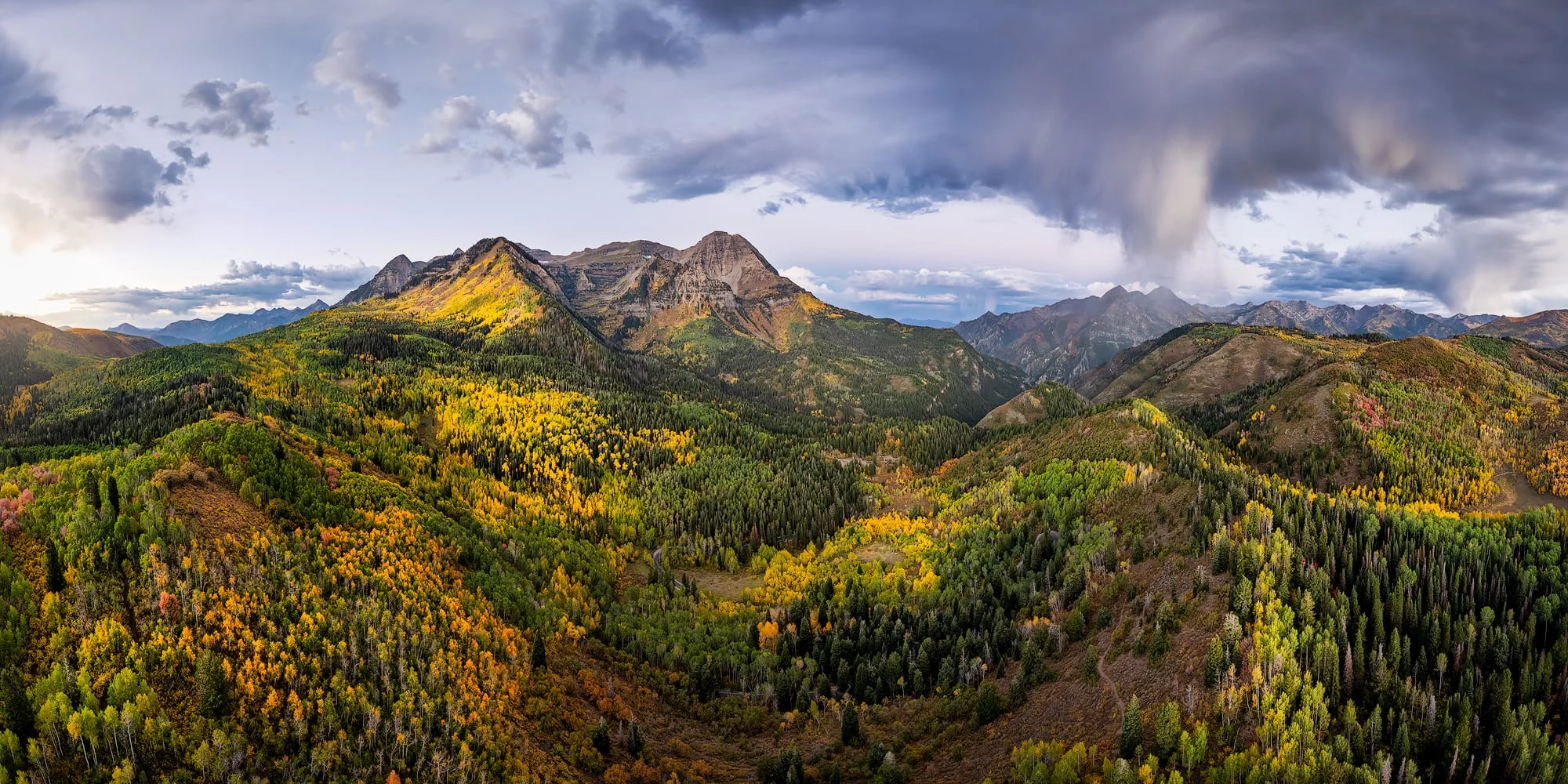
Sizing Your Artwork: Think in Proportions
One of the most common mistakes is underestimating size. A nature photograph that feels small on a store's wall will feel lost in your room. Fine art photography needs breathing room but also needs to make a visual statement.
For a focal point above a sofa or bed, the artwork should be roughly two-thirds to three-quarters the width of the furniture below it. This creates visual balance. If your sofa is 84 inches wide, aim for a print that's 56 to 63 inches across. In a living room with high ceilings, go larger. In an intimate bedroom or office, you have more flexibility with medium sizes.
For gallery walls, start with one large anchor piece (36 inches or larger) and build around it with smaller prints. Nature photography galleries work best when they share a visual theme: all mountain work, all water scenes, or a single region's landscapes. This creates coherence rather than visual chaos.
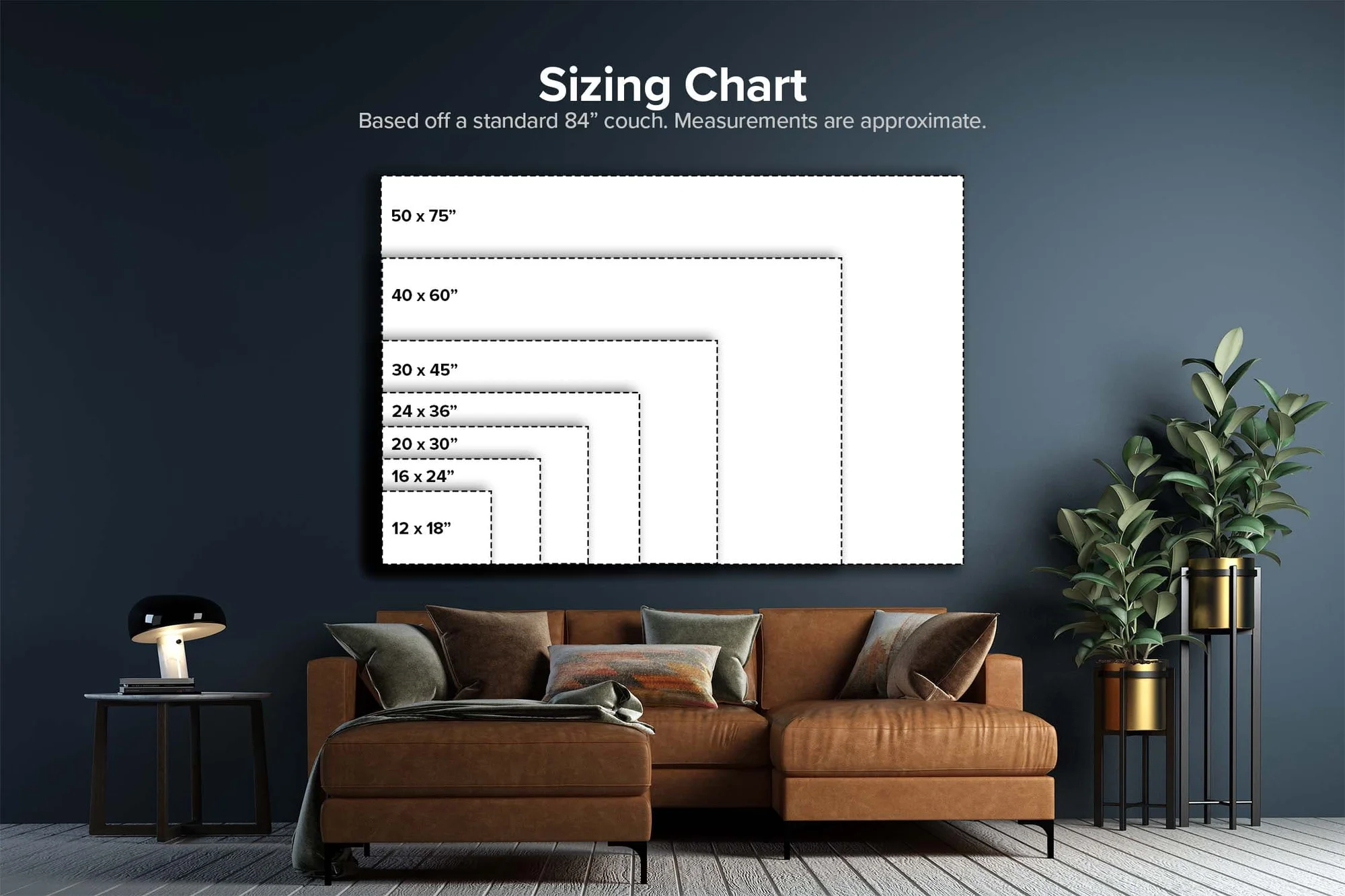
Don't shy away from large-scale prints. A stunning nature photograph at 48 inches or 60 inches becomes an architectural element in your room, not just decoration. These pieces influence how you move through the space, where your eye rests, and the emotional tone of the entire room. If you need any help in determining the right size fine art nature print for your home or office, be sure to reach out and I can help you with a free wall art mockup to help you visualize the print in your space.
Gallery Wall Ideas for Nature Photography
Gallery walls have moved past the "Instagram aesthetic" phase. The most effective ones tell a story and create visual interest through thoughtful curation.
A linear gallery along a hallway works beautifully with nature photography, especially if you're telling a geographical story (all images from one region) or a seasonal narrative (spring through winter light). Vertical columns of 3 to 4 pieces with consistent framing create rhythm and flow.
Above a console table or sideboard, an asymmetrical grouping of 3 to 5 pieces in varying sizes creates collected sophistication. Frame them consistently, and mix landscape and portrait orientations. The randomness feels intentional when the framing ties everything together.
In a living room corner, a large central piece with smaller supporting images creates a focal point that draws you in without overwhelming the space. This works especially well if your corner is under architectural detail or receives natural light.
The rule of thumb: consistency in framing materials, spacing of 2 to 3 inches between pieces, and a unifying theme (location, subject matter, or visual tone) make gallery walls feel curated rather than arbitrary.
Nature Photography for Specific Rooms
Living Rooms and Gathering Spaces
Choose images with openness, light, and inviting composition. Water scenes, open skies, and landscapes that draw the eye into depth work especially well. Consider what mood you want: energizing morning light, peaceful sunset tones, or cool, meditative blues. Large-scale metal or acrylic pieces anchor these spaces.
Bedrooms
Softer color palettes and calming compositions work best. Misty mornings, quiet water, soft light through trees. Canvas prints feel more intimate than metal. Smaller to medium sizes are more appropriate above a headboard—overwhelming scale can feel intrusive in a bedroom.
Home Offices
Clear, focused images work best. Mountain peaks suggesting clarity, morning light suggesting fresh starts, clean compositions that don't distract from work. Metal prints align well with professional spaces. Large enough to provide visual relief during long work sessions, but composed enough not to pull constant attention.
Kitchens and Dining Areas
Brighter, warmer tones work better than moody compositions. Morning light, golden hour scenes, landscapes with warmth. Acrylic or canvas feels more domestic than metal in these spaces. Multiple medium pieces work better than one overwhelming large piece.
What to Look For in Fine Art Nature Photography
Not all nature photographs are fine art. The difference lies in intentionality. Fine art nature photography demonstrates thoughtful composition, deliberate use of light, and a moment captured with skill and vision.
Look for images with clear focal points. Your eye should know where to rest. Simplicity is strength. The best landscape photographs often remove visual clutter rather than include everything the camera sees.
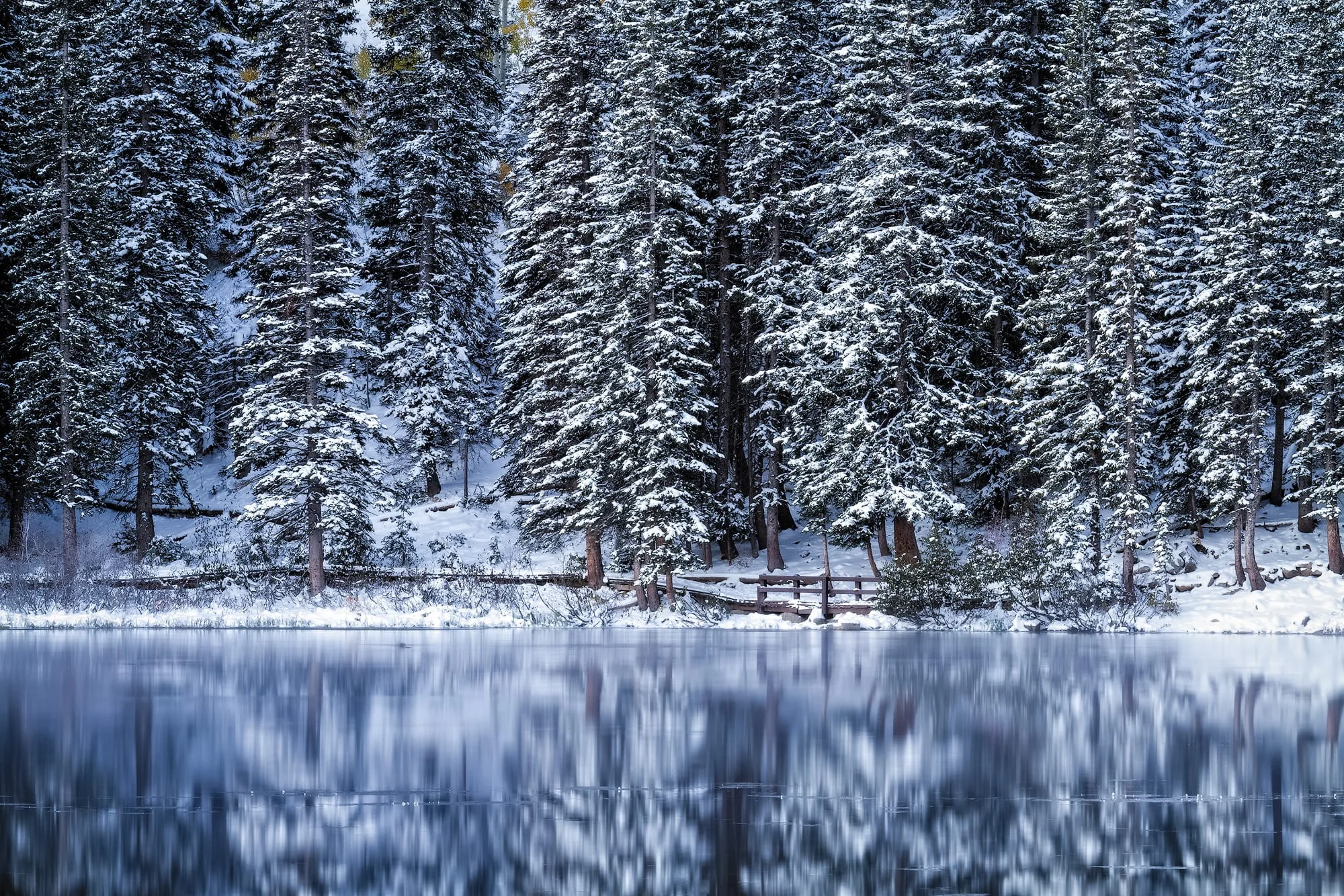
Light is everything. Golden hour, diffused morning light, dramatic storm light...these are the moments that transform ordinary scenery into compelling imagery. A photograph of a beautiful place at noon with flat light simply won't have the visual impact of the same place at sunrise with intentional light direction.
Color should feel natural and intentional, never artificial or over-processed. Even in dramatic compositions, the colors should feel like they could exist in nature, just distilled into their most beautiful form.
Finally, the photograph should make you feel something. If it doesn't stop you when you see it, it won't transform your home. It might decorate it, but that's different.
FAQ: Nature Photography for Your Home
How do I know what size is right?
Hold painter's tape on your wall in the dimensions you're considering. Live with it for a day. You'll quickly feel whether it's right. You can also reach out to me for a free fine art mockup. All you need to do is submit a photo of your wall with some basic measurements and I can help you visualize the art in your home.
Will my print fade over time?
Museum-quality prints on archival materials with UV-protective options resist fading for decades. If you're still concerned, try to avoid direct sunlight on any fine art to ensure longevity.
Can I mix print materials in a gallery wall?
Absolutely, as long as you're consistent with framing or mounting. Metal, acrylic, and framed canvas can coexist beautifully if they share a visual theme and consistent spacing.
What if I don't know my design style?
Start with what draws you. Look at photographs that make you stop scrolling. What's the common thread? Warm light, cool tones, water, mountains, open space? Your instinctive response points to your true aesthetic.
How much should I expect to invest?
Fine art nature photography ranges widely based on size and material. Think of it as a long-term investment in how you experience your home every day. Quality prints, proper framing or professional mounting, and timeless images will age well and remain beautiful. For any print, size, or pricing questions, please don't hesitate to contact me and I'd be happy to discuss all these options with you.
Bring the Landscape Inside
Your home tells a story. The photographs you hang contribute to that narrative. Fine art nature photography doesn't just fill walls, it creates emotional continuity between the natural world outside and the intimate spaces you inhabit.
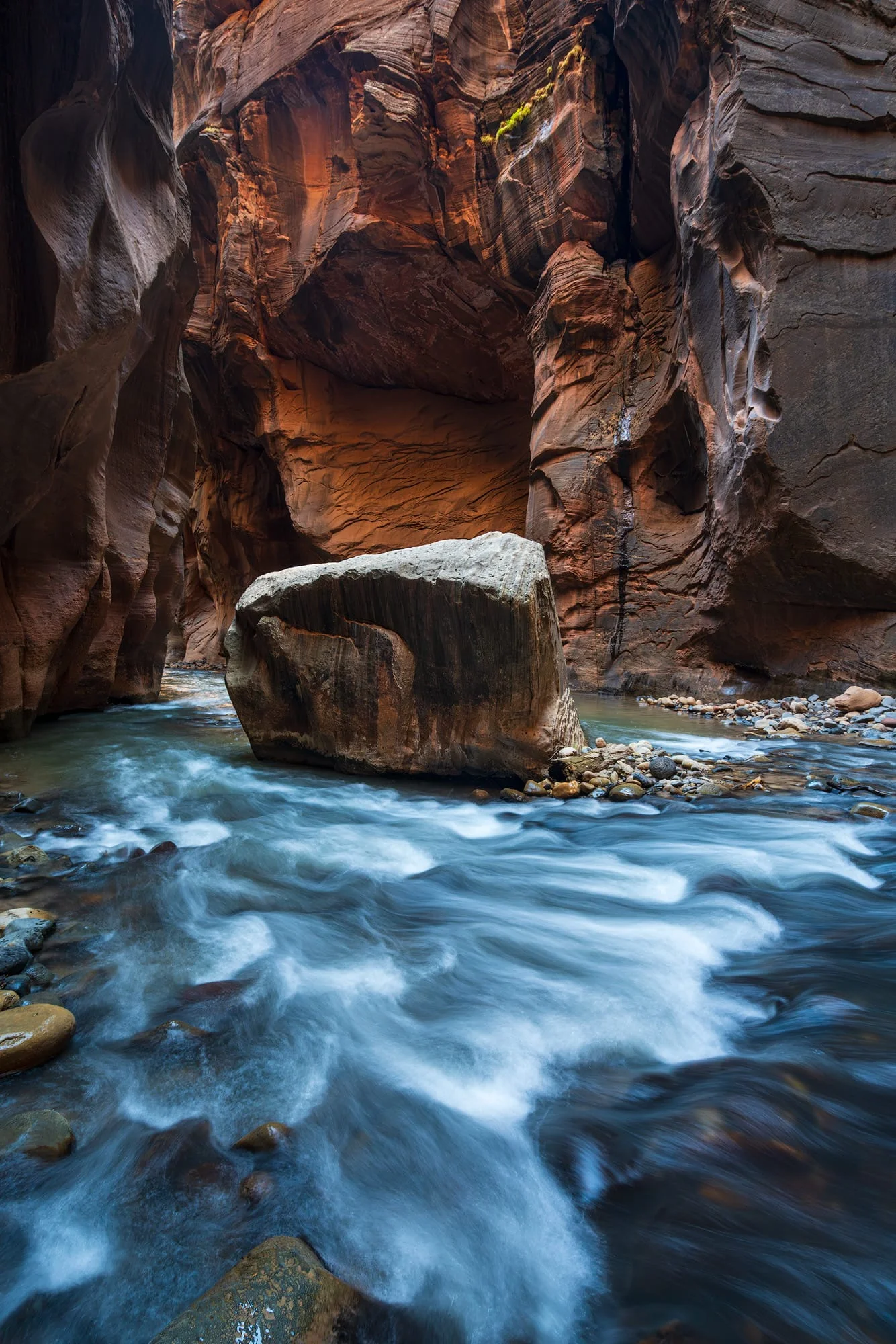
When you choose a nature photograph intentionally, size it thoughtfully, and display it on a material that honors the artist's vision, something shifts. You're not just decorating. You're creating a space that calms, inspires, and reflects who you are. That's what transforms a house into a home worth living in.
Explore the collections of fine art nature photography and discover the piece that speaks to your space.